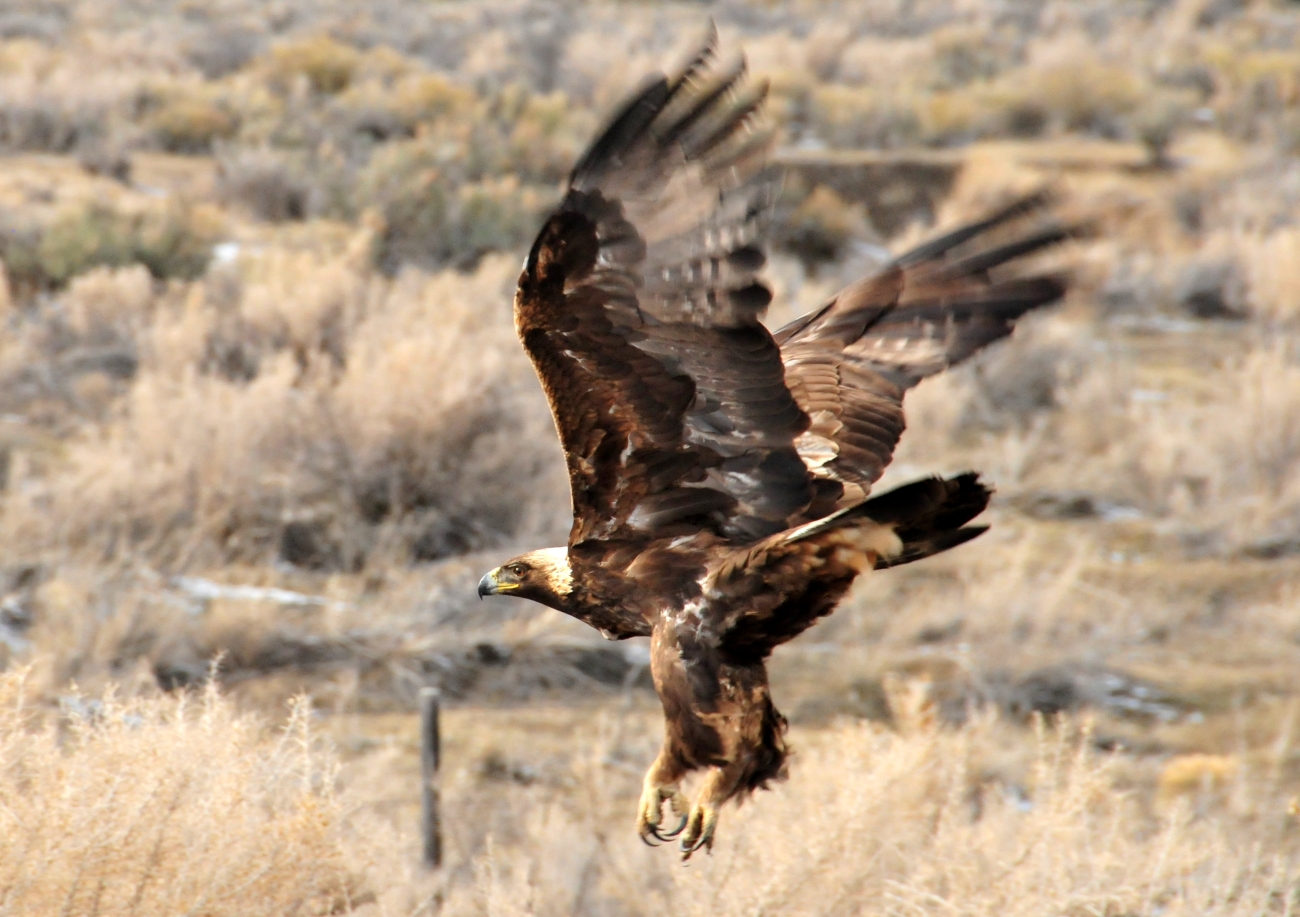
For Indigenous nations across North America, the eagle is far more than a bird of prey. In countless tribal traditions, the eagle flies closest to the Creator, carrying prayers upward and embodying courage, wisdom, healing, and honor. “An eagle feather is not a mere accessory—it is a living spiritual responsibility, traditionally earned through sacrifice, community service, or bestowed during sacred rites of passage,” as told by Kiowa and Cherokee elder Jackie Anquoe Jr.
Yet across Indian Country today, a quiet heartbreak festers behind the vibrant, healing circle of the powwow arena. A growing black market—fueled by both outside poachers, painfully, members of our own communities—is driving the senseless slaughter of bald and golden eagles for profit. Confronting this crisis requires honest reflection on how commercialization has distorted sacred traditions, and how Indigenous communities can reclaim stewardship over our cultural practices.
The Spiritual Betrayal of Senseless Slaughter
The scale of recent federal wildlife investigations has shaken tribal communities to their core. In late 2024, a federal court in Montana sentenced a Washington man to nearly four years in prison for his role in a decade-long trafficking ring operating on and around the Flathead Indian Reservation. Prosecutors revealed that the ring baited and shot at least 118 bald and golden eagles—and roughly 3,600 birds overall—hacking them apart to sell tails, wings, and feathers on the underground market for hundreds of thousands of dollars. Subsequent federal prosecutions through 2025 and 2026 have continued to expose buyers and sellers across state lines, including tribal members and non-Native conspirators treating sacred relatives like commodities.
For traditional practitioners, elders, and dancers who revere the eagle as a relative, the grief is profound. When an eagle is baited with carcasses, shot off a power pole, and dismembered for cash, the violence does not end with the bird's death. In many Indigenous belief systems, items acquired through greed, bloodshed, or deceit carry heavy, negative energy. Wearing a poached feather into a prayer circle or a dance arena contradicts the very values of respect, reciprocity, and balance that Indigenous lifeways are built upon.
How Demand and Commercialization Fuel the Crisis
Understanding how we arrived at this painful crossroads requires looking at two converging pressures: severe supply bottlenecks and the commercialization of the powwow circuit.
1. The National Eagle Repository Bottleneck
Under the Bald and Golden Eagle Protection Act, enrolled members of federally recognized tribes may legally possess eagle feathers for religious and cultural purposes. To meet this need without harming wild populations, the U.S. Fish and Wildlife Service operates the National Eagle Repository in Colorado, which collects eagles that die naturally or from accidents and distributes them free of charge to tribal applicants.
However, demand vastly outpaces supply. While the repository processes roughly 3,500 birds annually, thousands of requests pour in each year. According to reporting from the Mercury News, applicants face wait times of up to two years for bald eagle parts and over a decade for whole immature golden eagles—whose distinctive black-and-white tail feathers are especially prized. Frustrated by decade-long waits, some individuals turn to illicit sellers.
2. The High-Stakes Powwow Economy
While powwows serve as vital spaces for cultural survival, sobriety, and intertribal kinship, the rise of high-stakes contest powwows has introduced intense financial pressure. As Oglala Lakota headman Harold Salway noted in an interview with National Geographic:
“When they put prize money on the powwow, it opened the door for exploitation.”
In elite competition categories, elaborate regalia featuring full golden eagle tail bustles, fans, and plumes can feel like an unwritten prerequisite to win major prize money. When younger dancers or families feel pressured to assemble competition-ready regalia quickly—rather than building it slowly over a lifetime through gifts, family heirlooms, and repository permits—a lucrative underground market steps in to fill the gap.
How We Curtail Trafficking in the Powwow World
Law enforcement alone cannot heal a spiritual and cultural wound. While federal statutes like the Lacey Act and the Bald and Golden Eagle Protection Act impose heavy fines and prison sentences on traffickers, lasting change must come from within Indian Country itself.
- Reforming Contest Powwow Standards: Powwow committees and head staff hold immense power to shift cultural norms. Committees can explicitly instruct judges that synthetic feathers, painted turkey feathers, or non-protected bird plumes carry equal weight to real eagle feathers in scoring. Publicly celebrating dancers who choose ethical, sustainable alternatives removes the competitive penalty for not owning rare eagle parts.
- Expanding Tribal Aviaries and Feather Repositories: Beyond the federal repository in Colorado, several sovereign nations—such as the Comanche Nation and the Sia: The Comanche Nation Ethno-Ornithological Initiative—operate tribally sanctioned eagle rehabilitation aviaries. Injured, non-releasable eagles live out their lives in care while naturally molted feathers are harvested and distributed ethically to tribal members. Supporting and funding more tribal aviaries reduces reliance on federal backlogs.
- Community Accountability and Cultural Education: Elders, arena directors, and drum groups must speak openly about the spiritual cost of poached parts. Teaching youth that a single legitimately gifted feather holds infinitely more honor than a bustle bought with illicit cash restores the true meaning of regalia. Furthermore, community members must refuse to buy, trade, or look the other way when vendors or individuals quietly peddle unpermitted parts at gatherings.
- Strengthening Tribal Wildlife Enforcement: Sovereign tribal nations can bolster their own fish and game departments, tighten reservation trespass laws, and collaborate with federal wildlife investigators to protect nesting grounds on tribal lands from outside poaching syndicates.
Moving Forward in Honor
The eagle has watched over Indigenous peoples through centuries of hardship, symbolizing resilience and survival. Honoring that relationship means refusing to let modern greed turn a sacred relative into a black-market trophy. By decoupling prestige from commercialized regalia, supporting ethical tribal aviaries, and holding one another accountable in the powwow circle, Indian Country can protect both the eagles in the sky and the integrity of our traditions.
References
- U.S. Fish and Wildlife Service. National Eagle Repository. Available at: https://www.fws.gov/program/national-eagle-repository
- U.S. Department of Justice (District of Montana). (May 5, 2026). Texas man sentenced for trafficking eagles. Available at: https://www.justice.gov/usao-mt/pr/texas-man-sentenced-trafficking-eagles
- Associated Press / Mercury News. (October 30, 2024). Poachers exploiting high demand for eagle feathers. Available at: https://www.mercurynews.com/2024/10/30/eagles-killed-black-market/
- Courthouse News Service. (October 31, 2024). Man who killed eagles on a Native American reservation gets nearly 4 years in prison. Available at: https://www.courthousenews.com/man-who-killed-eagles-on-a-native-american-reservation-gets-nearly-4-years-in-prison/
- National Geographic. (August 17, 2017). Eagles Are Being Killed for Black Market Body Parts. Available at: https://www.nationalgeographic.com/photography/article/eagle-trafficking
- Daily Montanan. (December 11, 2023). Two men indicted for illegal killing, trafficking of bald and golden eagles from Montana. Available at: https://dailymontanan.com/2023/12/11/two-men-indicted-for-illegal-killing-trafficking-of-bald-and-golden-eagles-from-montana/